
Reviewed · GYUMRI TOURS
Paint Your Own Traditional Doll
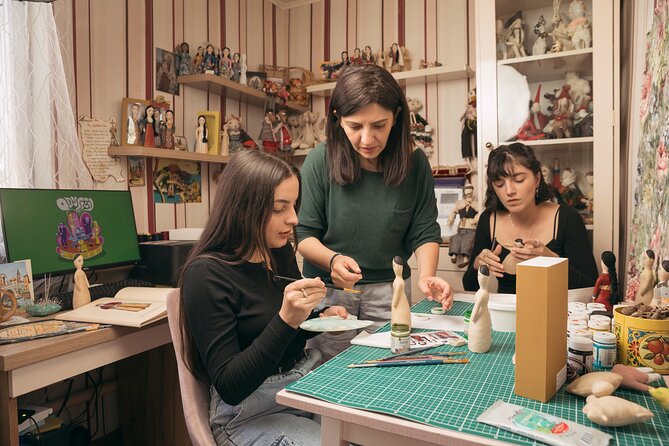
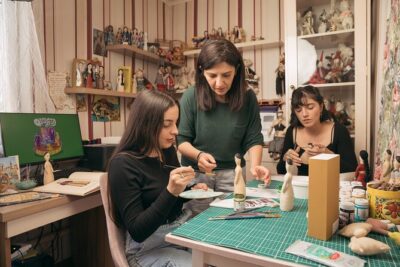
A souvenir with a story. This two-hour workshop in Gyumri lets you choose a traditional Armenian taraz costume, paint your own handmade doll, and learn miniature-art techniques from professional doll maker Narine. I especially like the large costume collection and the fact that your final design can stay faithful to Armenian patterns or become something entirely personal. The main consideration is that the activity calls for careful handwork, so it may feel slow if you want a fast, passive sightseeing stop.
I also like the private-group setting, which gives you time to ask questions and get help with small details. Narine’s warm hosting, English, Russian, and Italian language skills, along with coffee, tea, water, and sometimes Armenian sweets, make this feel more like a creative visit than a standard craft class.
In This Review
- Key points to know before you book
- Why this Gyumri workshop feels different
- Choosing a taraz from Armenia’s regions
- Sketching the costume onto a blank doll
- Painting with Armenian miniature techniques
- Making belts, hats, jewelry, and other accessories
- The personal welcome at Naro Dolls
- What the $29 price includes
- Who will enjoy this most
- Languages, timing, and simple planning advice
- What the finished doll means
- Should you book Paint Your Own Traditional Doll?
- FAQ
- Where does the doll-painting activity take place?
- How long does the experience last?
- How much does it cost?
- What is included in the price?
- Who leads the workshop?
- What languages does the instructor speak?
- Can I choose the doll’s costume?
- Can children join the activity?
- Is the workshop wheelchair accessible?
Key points to know before you book
- Choose a taraz from across Armenia: Browse traditional costumes linked to different Armenian regions before selecting the look for your doll.
- Learn miniature-painting methods: Narine guides you through fine patterns, color choices, and decorative details inspired by medieval Armenian art.
- Make the design your own: You can copy traditional ornaments or create a new color scheme and costume style.
- Take home a handmade keepsake: Your finished doll is a personal reminder of Gyumri, not a factory-made souvenir.
- Enjoy a small, private workshop: The setting suits couples, families with older children, and anyone who prefers a relaxed pace.
- Plan for access and age limits: Children under six and wheelchair users cannot take part.
Why this Gyumri workshop feels different
Gyumri is often called Armenia’s cultural capital, and this activity gives you a direct connection to its artistic side. Rather than simply looking at finished objects in a shop or museum, you spend time with a local maker and produce something yourself.
That matters because traditional dress can be hard to understand from a display case. A taraz is not just a pretty outfit. Its patterns, colors, headwear, belts, and jewelry reflect Armenian regional traditions. By choosing one costume and then copying its details onto a doll, you get a clearer sense of how much work sits behind the finished clothing.
The workshop takes place at Naro Dolls, near Gyumri’s central Independence Square. That location is useful if you are already exploring the city center. You meet Narine at her studio, settle in with a drink, and begin with the visual part of the experience: looking through the costume collection.
Other Gyumri trips worth the drive:
- Group Tour: Gyumri (Urban Life museum, Black fortress, old town), Harichavank
★ 5.0 · 280 reviews - Museum of Illusions Tour
★ 5.0 · 84 reviews - Private tour to Gyumri old town and Marmashen monastery
★ 5.0 · 26 reviews
Choosing a taraz from Armenia’s regions
The first creative decision is selecting your doll’s costume. Narine has a large collection of traditional Armenian outfits from different regions, so you can compare several styles before settling on one.
This is one of the strongest parts of the activity for me. You are not handed a single fixed pattern and told to reproduce it. You get to choose the design that speaks to you, whether that means bold colors, delicate decoration, or a costume connected to a particular part of Armenia.
Take your time here. The chosen taraz determines the basic colors, ornaments, and accessories you will work with later. If you are visiting Armenia with someone else, this can also become a fun point of contrast. One person might choose a restrained traditional design, while another creates something bright and unusual.
You do not need to arrive with a firm artistic plan. Narine helps you understand the options and can guide you toward a design that fits your skill level. The process is intended for ordinary visitors, not trained painters.
Sketching the costume onto a blank doll
Once you choose the costume, you sketch its design directly onto a blank plush doll. This gives you a simple outline to follow during the painting stage and helps prevent the decoration from becoming a blur of random colors.
For some people, this will be the most demanding part. Drawing patterns onto a three-dimensional soft figure requires more care than painting on a flat sheet of paper. The good news is that the activity is guided, and Narine can help with small craft steps when needed.
The design does not have to be perfect. A handmade object should show a human hand. The point is to understand the form and make thoughtful choices, not produce a museum piece.
Narine’s teaching style is a major part of the appeal. The strongest praise for this workshop centers on her patience, kindness, and willingness to support each person through the process. She also speaks English, Russian, and Italian, which makes the activity easier for a mixed-language group.
Painting with Armenian miniature techniques
The painting stage brings the costume to life. Narine introduces techniques connected with medieval Armenian miniature painting, including the use of fine ornaments and carefully placed color.
Armenian miniature art is known for detailed decoration in manuscripts and religious books. You will not become a medieval manuscript painter in two hours, of course, but you will get a practical taste of the patience and precision involved. Small motifs can take time, especially when you are working around the doll’s sleeves, skirt, belt, or head covering.
You can follow traditional Armenian colors and patterns, or make a completely new design. This balance is important. A strict historical recreation might appeal to an art student, while a child or casual visitor may prefer a pink, blue, or brightly mixed costume. Both approaches are welcome.
I would book this activity if you like making things but worry that you are not artistic. Several parts of the experience are carefully prepared, and Narine guides you through the patterns and details. The aim is for you to bring home a pleasing doll regardless of your painting background.
Still, do not expect a quick craft table where you slap on a few colors and finish in twenty minutes. The two-hour schedule gives you time to work carefully. If you want to cover a lot of sights in Gyumri, you will need to protect this block of time in your day.
Swap the monasteries for something else entirely:
- Group Tour to Gyumri: City tour, Monasteries and Culture
★ 4.4 · 6 reviews - Gyumri: Private Guided Walking Tour By A Local Guide
★ 5.0 · 6 reviews - Paint Your Own Traditional Doll
★ 5.0 · 4 reviews - Private tour to Gyumri, Dzitoghtsyan Museum, Black Fortress
★ 5.0 · 3 reviews
Making belts, hats, jewelry, and other accessories
While the painted doll dries, you move to the accessory work. You might create a belt, hat, jewelry, tools, or other small items to complete the outfit.
This is a smart use of drying time. It also adds depth to the finished doll, since the accessories help explain how the costume would be worn and presented. A simple painted figure becomes a character with a more complete appearance.
You can ask for assistance with smaller construction or craft jobs. That is useful if you are confident with painting but less comfortable cutting, shaping, or attaching tiny pieces. The focus remains on your own creation, but you are not left alone with a difficult step.
The final result will vary from person to person. That is part of the charm. Two people may use similar costume references yet finish with dolls that have different colors, patterns, and accessories.
The personal welcome at Naro Dolls
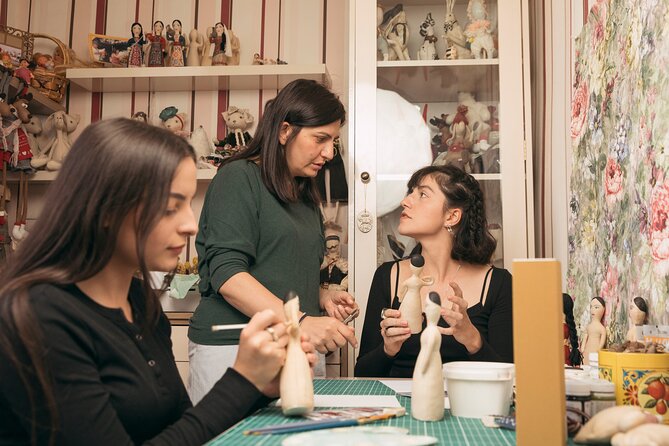
The setting sounds intentionally relaxed rather than formal. Coffee, tea, and water are included, and the studio atmosphere has been praised for Armenian tea, cookies, and typical sweet snacks.
These small touches matter in a hands-on workshop. You are sitting for a long period, concentrating on tiny patterns, and conversation helps keep the pace comfortable. Narine also shares information about Armenian culture and offers local food tips, giving you a chance to ask questions beyond the craft itself.
The activity is private, so you are not trying to keep up with a large class. That should suit couples, families, and small groups who want personal attention. It also makes the experience a good choice if you prefer conversation and quiet concentration to a busy group tour.
A private activity can sometimes feel less social than a large class, but here the host’s role appears central. You are visiting her workshop, learning her craft, and spending time in a personal creative space.
What the $29 price includes
At $29 per person, the cost is reasonable for a two-hour private workshop, especially because the fee includes the doll, paint, brushes, and the other equipment needed to complete the project. You are also paying for instruction from a professional doll maker, not just access to a table of supplies.
The strongest value is the finished souvenir. A shop-bought doll may be attractive, but it cannot match an object you designed and painted yourself. You also leave with a better understanding of Armenian dress and miniature decoration.
The price is less attractive if you only want a polished decorative item and do not enjoy making it. Your doll will reflect your own work, even with Narine’s guidance. That is the point, but it means the experience is best judged as a workshop plus a keepsake, not as a simple purchase.
Drinks are included, and the required tools and materials are supplied. You do not need to bring paint or brushes. It is still sensible to wear clothes you do not mind working around, although no special clothing requirement is provided.
Who will enjoy this most
This activity suits anyone who likes art, traditional clothing, handmade objects, or cultural conversation. It is especially good for couples looking for a shared souvenir, solo visitors who enjoy meeting local artists, and families with children old enough to handle a detailed craft.
A nine-year-old and parent have successfully enjoyed the creative setting together, which gives a useful guide to the lower practical age range. The official minimum age is six, but younger children may need more help and patience than older children.
You should also consider your comfort with fine work. The experience is calming for people who enjoy painting small details. It may frustrate someone who wants constant movement or a tightly scheduled sightseeing activity.
Wheelchair users cannot take part, and children under six are not accepted. Those limits are important to check before booking rather than discovering them at the studio.
Languages, timing, and simple planning advice
The workshop lasts two hours, with starting times depending on availability. Because it is near Independence Square, it can fit neatly into a day spent walking around central Gyumri, but you should allow the full two hours rather than planning another appointment too closely afterward.
Narine leads the activity in English, Russian, or Italian. If your group includes different language preferences, confirm the best language when arranging the visit.
You can cancel up to 24 hours in advance for a full refund. The reserve-now-and-pay-later option also helps if your Armenia plans are still changing. These policies are useful, but the more important planning point is to choose a time when you can work without rushing.
Smoking, alcohol, and drugs are not allowed. The workshop is designed around concentration, conversation, and careful handwork.
What the finished doll means
The best souvenir is often the one that carries a memory of making it. This doll connects several parts of a Gyumri visit: Armenian dress, local art, a personal meeting, and your own decisions about color and design.
You may choose a historically inspired taraz, or you may produce a doll with an entirely new look. Either way, the item has a clear link to Armenia because its form begins with local costume and miniature-painting traditions.
It is also small and easy to take home. The supplied information does not specify packaging or travel protection, so ask Narine how to carry the doll safely if you still have a long journey ahead.
Should you book Paint Your Own Traditional Doll?
Book it if you want a quiet, personal activity with a real handmade result. The combination of regional costumes, Armenian miniature techniques, patient instruction, and a private workshop gives you more than a basic souvenir class.
I would recommend it most strongly to couples, creative families with children over six, and visitors who want to meet a local artist. Narine’s friendly manner and language skills are a real advantage, especially if you want cultural conversation along with the craft.
Skip it if you dislike sitting still, have limited time in Gyumri, or want a finished object without doing the work. For everyone else, $29 buys two hours of focused attention, materials, drinks, and a doll that carries your own mark. That is a fair deal and a thoughtful way to remember Armenia.
FAQ
Where does the doll-painting activity take place?
You meet Narine at the Naro Dolls workshop near Gyumri’s central Independence Square in Shirak Province, Armenia.
How long does the experience last?
The activity lasts two hours. Starting times depend on availability.
How much does it cost?
The listed price is $29 per person.
What is included in the price?
The price includes the handmade doll, paint, brushes, all required equipment, and drinks such as coffee, tea, and water.
Who leads the workshop?
Narine, a professional doll maker, leads the activity and guides you through the design, painting, and accessory-making stages.
What languages does the instructor speak?
The activity is available in English, Russian, and Italian.
Can I choose the doll’s costume?
Yes. You can browse a large collection of traditional Armenian costumes from different regions and select a taraz for your doll.
Can children join the activity?
Children under six cannot take part. A nine-year-old and parent have enjoyed the activity together, making it suitable for older children who can manage detailed creative work.
Is the workshop wheelchair accessible?
The activity is not suitable for wheelchair users.
Latest write-ups from Gyumri
- Private tour to Gyumri, Dzitoghtsyan Museum, Black Fortress★ 5.0 · 3 reviews
- Private Traditional Coffee And Dessert Making Activity★ 5.0 · 2 reviews
- Paint Your Own Traditional Doll★ 5.0 · 4 reviews
- 3 Day Private Tour with an Exclusive Visit to Gyumri★ 5.0 · 3 reviews
- Group Tour to Gyumri: City tour, Monasteries and Culture★ 4.4 · 6 reviews
- Gyumri: Private Guided Walking Tour By A Local Guide★ 5.0 · 6 reviews
- Private tour to Gyumri old town and Marmashen monastery★ 5.0 · 26 reviews
- Museum of Illusions Tour★ 5.0 · 84 reviews
Gyumri Tours, compared.
Gyumri (Urban Life museum, Black fortress, old town), Harichavank
Read our review →
Private tour to Gyumri old town and Marmashen monastery
Read our review →
Group Tour to Gyumri: City tour, Monasteries and Culture
Read our review →
3 Day Private Tour with an Exclusive Visit to Gyumri
Read our review →
Private tour to Gyumri, Dzitoghtsyan Museum, Black Fortress
Read our review →Browse the lists this tour appears in