
Reviewed · ARMENIA
Goris: Beekeeping Traditions & Beeswax Balm Making Workshop
Bees, balm, and a Goris family table. This 90-minute workshop offers a personal look at Syunik beekeeping, led by Grisha, a master beekeeper with more than 50 years of experience. I like the direct contact with an old Armenian craft, and I like that you make something useful rather than simply watch a demonstration. The one concern is clear: people with bee or animal allergies should avoid it, and anyone expecting a full apiary visit may find the short format limited.
The setting adds much of the charm. You meet at Yeghevnut Hotel in Goris, then spend time in the yard of a 120-year-old home, wearing protective beekeeping clothing as you hear about raw honey, beeswax, and local remedies. The final touch is tea, mountain herbs, and homemade gata while your balm cools.
In This Review
- Key points to know before booking
- Why this small workshop fits Goris so well
- Meeting Grisha in the old Goris home
- Learning Syunik beekeeping traditions
- Making the ancestral beeswax balm
- Tea, mountain herbs, and homemade gata
- What the $15 price includes
- Timing, languages, and practical details
- Who will enjoy this experience most
- The strongest reason to book
- Should you book the Goris beeswax workshop?
- FAQ
- Where does the workshop meet?
- How long does the activity last?
- How much does the workshop cost?
- What will I make during the workshop?
- What do I take home?
- Is protective clothing provided?
- What food and drink are included?
- What languages are available?
- Can children join the workshop?
Key points to know before booking
- A 50-year beekeeping lesson: Grisha shares long experience with the traditions of Syunik and the practical uses of honey and wax.
- You make your own natural balm: The recipe comes from the host’s grandmother and is prepared during the workshop.
- A 120-year-old home provides the setting: This is a small, personal experience rather than a standard indoor class.
- Tea and gata are part of the visit: Homemade gata and herbal teas from nearby mountains give the workshop a distinctly local finish.
- You take home a 50 g jar: Your finished balm becomes a useful souvenir, not just a photograph.
- English, Armenian, and Russian are available: The activity can suit a mixed-language group.
Why this small workshop fits Goris so well
Goris is a good place for a craft experience rooted in ordinary life. The town is in Syunik Province, a part of southern Armenia where local traditions remain closely tied to homes, gardens, food, and natural materials.
This workshop does not try to cover every part of Armenian rural life. Instead, it focuses on one useful material: beeswax. You learn how beekeeping has been practiced in Syunik and how raw honey and wax have been used in household remedies.
That focus is the main appeal. You are not simply buying a jar of balm from a shop. You see the material being prepared, hear the story behind the recipe, and leave with something made during your visit.
I also like the scale. A 90-minute activity is easy to fit into a Goris day, especially if you want a break from larger sightseeing stops. It gives you a close look at one tradition without taking half a day.
Trips that tend to share a Armenia itinerary with this one:
- From Tbilisi: Day Trip to Armenia Including Homemade Lunch
★ 4.9 · 1,084 reviews - Group Tour: Garni, Symphony of Stones, Geghard, Lavash Baking
★ 5.0 · 1,042 reviews - Group Tour: Lake Sevan (Sevanavank), Dilijan (Goshavank, Haghartsin)
★ 5.0 · 1,036 reviews
Meeting Grisha in the old Goris home
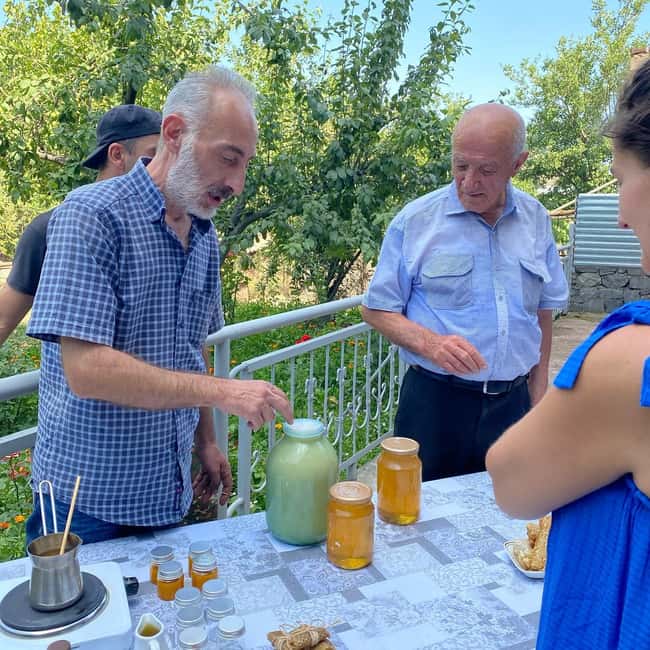
The activity begins in the yard of a 120-year-old house. That detail matters. An old home gives the workshop a sense of place that a hotel conference room could not provide, even though Yeghevnut Hotel is the stated meeting point.
Grisha, the master beekeeper, has more than five decades of experience. His role is central to the experience. Instead of receiving a general explanation from a guide who has learned a script, you hear about beekeeping from someone who has spent much of his life working with bees.
You will be given protective beekeeping clothing. This is reassuring, but it does not remove the need for caution. Bees and other animal-related allergens are part of the setting, so tell the provider about allergies before you arrive. People with insect allergies or animal allergies should not book this activity.
The workshop is also suitable for children only when a parent accompanies them. That rule is sensible. Protective clothing helps, but children still need close supervision around insects and workshop materials.
Learning Syunik beekeeping traditions
The first part introduces beekeeping in Syunik. You learn about the local tradition, the value of raw honey, and the ways beeswax has been used in natural remedies over generations.
This section should appeal to you if you enjoy practical history. You are not studying dates or memorizing technical terms. You are learning why honey and wax were important household materials and how they moved from the hive into daily life.
The use of raw honey is also part of the discussion. The workshop presents it as a natural product with benefits, while beeswax forms the base of the balm you prepare. Keep in mind that the activity is a cultural and craft experience, not a medical consultation. The balm is described as useful for soothing dry skin, burns, and cuts, but it should not replace professional medical care.
I would pay close attention to the difference between tradition and tested medical treatment. That does not make the recipe less interesting. It simply helps you enjoy the workshop for what it is: an introduction to a family remedy and the customs around it.
Making the ancestral beeswax balm
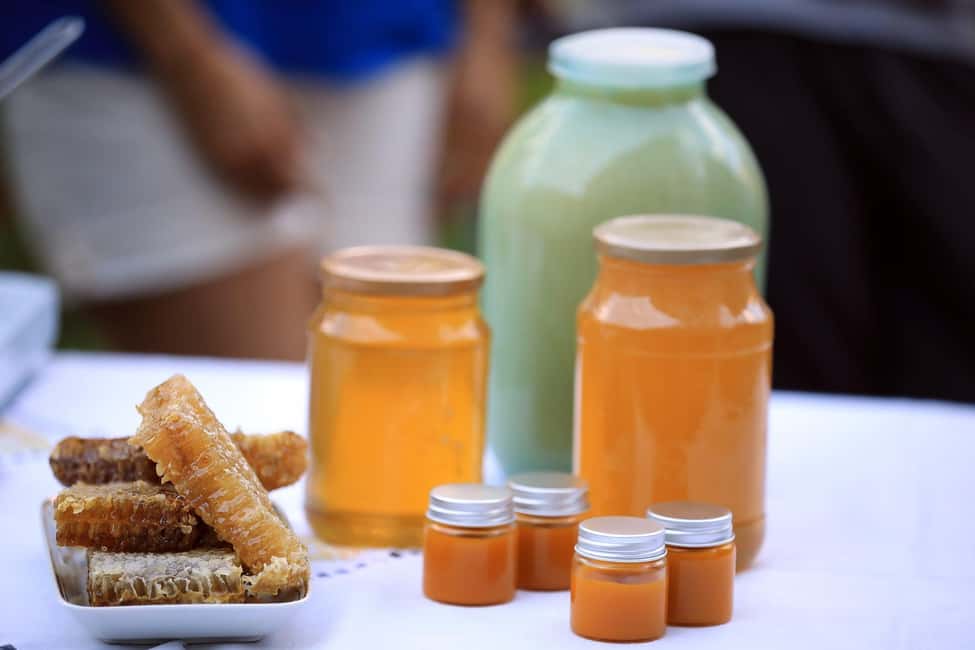
The hands-on part is the heart of the visit. You prepare a beeswax balm using a recipe passed down from the host’s grandmother. All materials and ingredients are supplied, so you do not need to bring anything for the craft.
This is a better souvenir than another mass-produced trinket. You take home a 50 g jar of balm that you helped make, and the recipe connects it to a family tradition.
You can expect the mixture to be prepared and then left to cool and solidify. The timing creates a natural pause in the workshop. Rather than standing around waiting, you move into the tea portion while the balm becomes usable.
The craft is simple enough for a short session, but it still gives you a sense of the process. You handle the ingredients, follow the recipe, and see the change from a warm mixture to a finished balm. If you prefer activities where you make something with your own hands, this will likely be more satisfying than a lecture.
The short duration also sets limits. You will not become a trained beekeeper in 90 minutes, and the session is not designed as a complete guide to hive management. Its strength is the mix of story, demonstration, and a modest hands-on project.
Swap the monasteries for something else entirely:
- Khor Virap, Noravank and Birds’ Cave Trip with Wine Tasting
★ 4.8 · 845 reviews - Yerevan: Garni, Geghard, Symphony of Stones & Lavash Baking
★ 4.8 · 758 reviews - From Yerevan: Garni, Geghard, & Symphony of Stones Day Trip
★ 4.8 · 687 reviews - Group tour: Khor Virap, Noravank, Areni Winery and Cave
★ 5.0 · 651 reviews
Tea, mountain herbs, and homemade gata
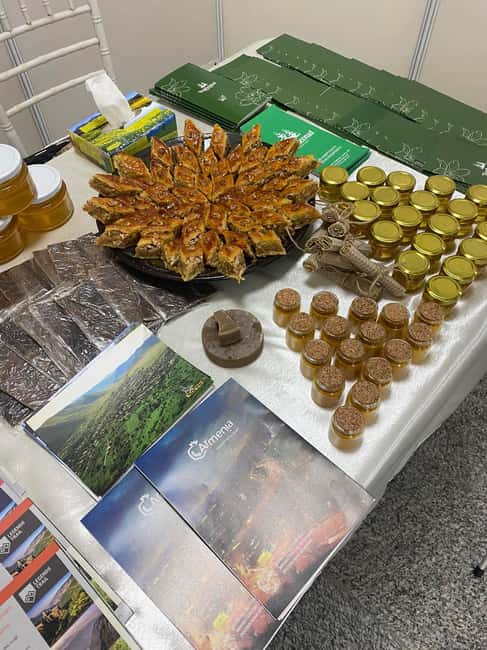
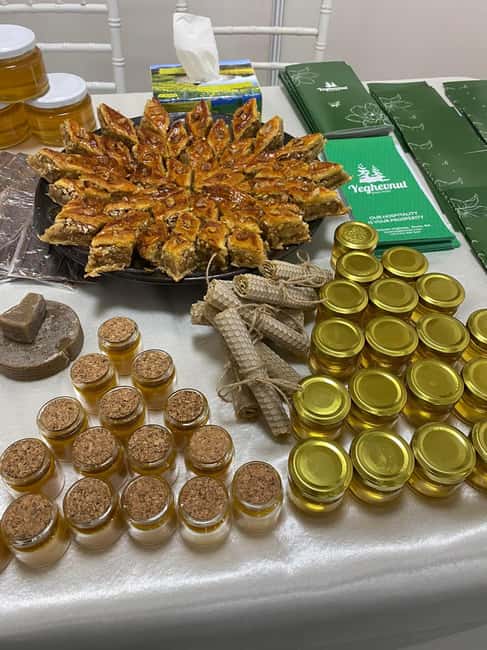
While the balm cools, you take a traditional tea break. Homemade gata is served with herbal teas sourced from the nearby mountains.
Gata is a local sweetbread, and it gives the visit a food connection without turning the workshop into a full meal. The combination of warm tea, sweet bread, and a family home makes the ending feel relaxed and social.
The herbal teas are especially fitting here. They connect the natural materials in the balm with another part of Armenian household tradition. You are not only hearing about local remedies, you are also tasting a drink made from plants associated with the nearby mountains.
Food details can make a short activity feel more complete. Here, the tea break gives you time to talk, let the balm cool, and enjoy the setting. It also makes the workshop a good choice for people who value conversation and local customs as much as the practical craft.
If you need a full meal, this is not it. The included food is gata and tea, so plan your lunch or dinner separately.
What the $15 price includes
At $15 per person, the workshop offers good value for a compact cultural activity. The fee includes the master beekeeper meeting, the introduction to Syunik traditions, protective clothing, all balm-making materials, the tea break, and the 50 g jar you take home.
The take-home product helps justify the price. You are paying for instruction and an activity, but you also leave with a handmade item tied to the experience.
The price is particularly fair if you want something beyond sightseeing. Goris has important cultural and natural attractions, but a short craft session gives you a different kind of connection to the area. It is a modest expense for a personal activity, especially when the ingredients, clothing, food, and finished balm are included.
The tradeoff is that the workshop is not a large, elaborate production. You are paying for a small-scale meeting, not a full-day tour with transportation, several stops, or a large tasting menu. That is a benefit for some people and a limitation for others.
Timing, languages, and practical details
The activity lasts 90 minutes, with starting times based on availability. That makes it easy to pair with other plans in Goris, but you should check the available time before booking.
The meeting point is Yeghevnut Hotel in Goris city. You should go directly there rather than expect transportation from another location.
Instruction is available in Armenian, Russian, and English. This is useful for international visitors, though the exact balance of languages may depend on the group and the guide present.
The activity is listed as wheelchair accessible. Since the experience takes place in the yard of an old home, you may want to confirm any specific access needs in advance if you use a wheelchair.
You can cancel up to 24 hours before the activity for a full refund. The reserve-now, pay-later option also helps if your Armenia route is still changing. You can hold a place without paying at the time of booking.
Who will enjoy this experience most
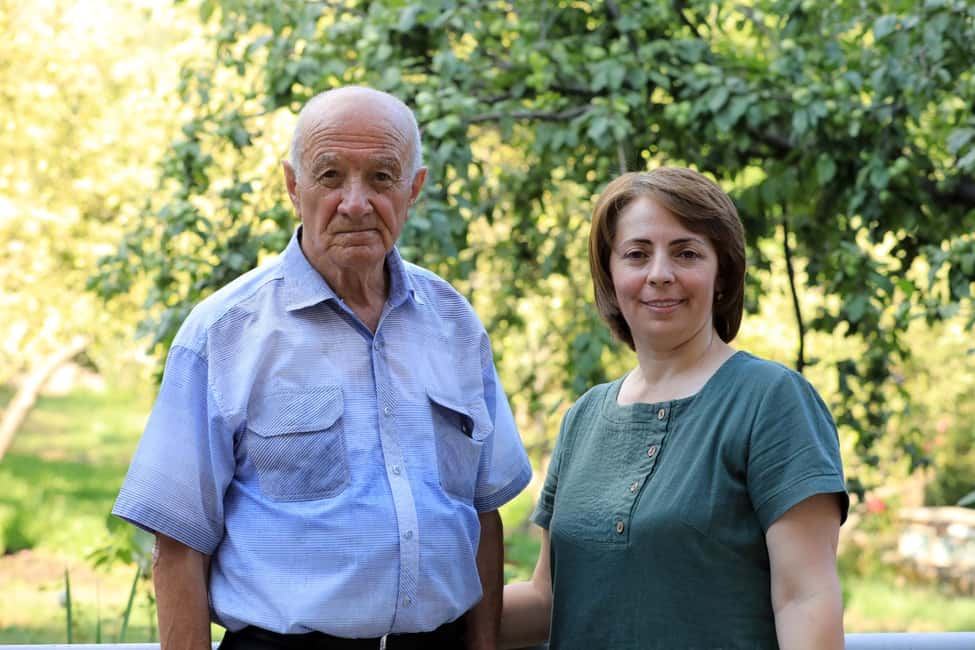
I would recommend this workshop to you if you enjoy:
- Small-scale cultural activities
- Traditional food and household customs
- Hands-on crafts
- Local guides with long personal experience
- Useful souvenirs rather than decorative objects
- Short activities that fit between sightseeing plans
It is also a good match for families with older children, provided a parent stays with each child. The clothing and balm-making give children something concrete to do, while the beekeeper’s story adds context.
Couples and solo visitors may like the relaxed pace. The tea break gives the workshop a social feel, and the setting is more personal than a standard city tour.
The activity is less suitable for you if you have insect or animal allergies, dislike being near bees, or want a technical course in hive management. It also may not satisfy someone looking for a long food tour or a detailed medical herbalism class.
The strongest reason to book
The best part is the combination of personal instruction and a useful handmade souvenir. Grisha’s 50 years of experience gives the beekeeping talk weight, while the grandmother’s recipe gives the balm a family connection.
The setting helps, too. A 120-year-old home, homemade gata, and mountain herbal tea create an experience tied to Goris rather than a generic craft class that could happen anywhere.
One verified booking from Germany, dated August 3, 2025, gave the activity five out of five and praised the wonderful experience with Raisa. The supplied details also identify Grisha as the master beekeeper, so you may meet more than one host during the visit. The names matter because this experience depends heavily on the people leading it, not just the materials on the table.
Should you book the Goris beeswax workshop?
Book it if you want a short, affordable look at Armenian home traditions and like the idea of making your own natural balm. The $15 price covers the activity, materials, protective clothing, tea, gata, and a 50 g jar, which makes it strong value.
Skip it if you have bee or animal allergies, or if you want a full beekeeping lesson with extended time around hives. For most suitable visitors, this is a warm and practical addition to a Goris itinerary, with enough local character to make it memorable.
FAQ
Where does the workshop meet?
You should go directly to Yeghevnut Hotel in Goris city.
How long does the activity last?
The workshop lasts 90 minutes.
How much does the workshop cost?
The listed price is $15 per person.
What will I make during the workshop?
You will make a beeswax balm using an ancestral recipe passed down from the host’s grandmother.
What do I take home?
You take home a 50 g jar of handmade beeswax balm.
Is protective clothing provided?
Yes. Protective beekeeping clothing is provided during the activity.
What food and drink are included?
The workshop includes homemade gata and herbal teas sourced from the nearby mountains.
What languages are available?
Instruction is available in Armenian, Russian, and English.
Can children join the workshop?
Yes, but children must be accompanied by a parent for safety. People with insect allergies or animal allergies should not take part.
Latest write-ups from Armenia
- Yerevan to Tbilisi Day Tour: Unveiling Transcultural Wonders★ 4.8 · 2 reviews
- Yerevan City Tour: Discover an Old and New Yerevan★ 5.0 · 2 reviews
- Yerevan: Museum of Illusions Entry Ticket★ 5.0 · 3 reviews
- Private Day Trip: Garni, Geghard, Symphony of Stones & Sevan★ 5.0 · 3 reviews
- Wine tour Areni Noravank Khor Virap Areni cave★ 5.0 · 3 reviews
- Private Day Trip to Symphony of Stones, Garni & Khor Virap★ 5.0 · 3 reviews
- Tsaghkadzor & Lake Sevan։ Winter Day Tour from Yerevan★ 4.7 · 3 reviews
- Wine, Jazz and Magic: A Night at Malkhaz Jazz Club★ 5.0 · 2 reviews